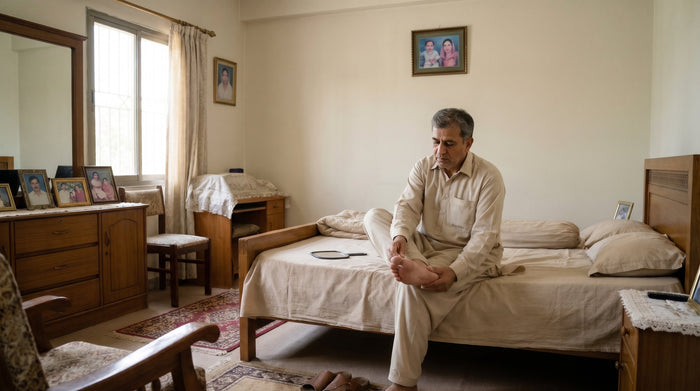
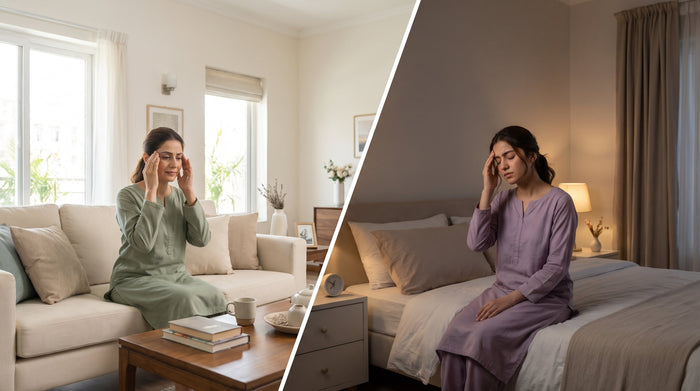
Every spring, as trees bloom across Islamabad, Rawalpindi and many other cities, thousands of people start sneezing, rubbing itchy eyes and reaching for tissues. For some, it feels like a cold that never ends. In many cases, the real cause is pollen.
In this guide, we explain in simple words why pollen causes these symptoms, how to tell it apart from a cold, the practical steps that reduce your exposure, what research says about plant-based ingredients for seasonal comfort, and when you need a doctor.
KEY TAKEAWAYS
- In Islamabad and Rawalpindi, the pollen season typically runs from mid-March through April, with paper mulberry the main culprit.2
- Pollen symptoms include sneezing, a runny or blocked nose and itchy, watery eyes, and can last weeks, unlike a cold.1
- Simple steps, such as closing windows and showering after being outdoors, reduce your exposure.1
- Difficulty breathing or swelling of the face or throat is an emergency.
1. Why pollen makes you sneeze
Pollen is a fine powder released by trees, grasses and weeds. In most people it is harmless, but in some, the immune system mistakes it for a threat. Immune cells called mast cells then release histamine and other chemical messengers, which cause the familiar sneezing, itching and runny nose.
In the twin cities, pollen counts can climb to very high levels in spring. In March 2026, one Islamabad monitoring station recorded more than 14,000 pollen particles per cubic metre of air, most of it from paper mulberry trees. The Ministry of Health estimates that around 30% of twin-city residents have allergic rhinitis.2
2. Cold or pollen?
| POLLEN | COMMON COLD | |
|---|---|---|
| Itchy eyes, nose, throat | Very common | Uncommon |
| Fever, body aches | No | Sometimes |
| How long it lasts | Weeks or months, during the season | About 1 to 2 weeks |
| When it appears | Same time each year, worse outdoors | Any time, often in winter |
3. 8 ways to reduce pollen exposure
- Keep windows and doors closed on high-pollen days, especially in the morning.1
- Wear wraparound sunglasses and a mask outdoors.1
- Shower and change clothes after coming in from outside.1
- Dry clothes indoors during the season, so they don't collect pollen.1
- Dust with a damp cloth and vacuum regularly; use a HEPA air filter if you can.1
- Put a little petroleum jelly around your nostrils to help trap pollen.1
- Avoid smoke, which makes symptoms worse.1
- Check daily pollen forecasts from the Pakistan Meteorological Department and plan outdoor time on lower days.
4. Plant-based ingredients for seasonal comfort
Alongside reducing exposure, many people look for plant-based support. Here is an honest look at four well-known ingredients.
QUERCETIN
A plant flavonoid found in onions, apples, berries and tea. Laboratory research has explored its role in supporting the body's natural histamine balance, though human research is still developing.
STINGING NETTLE
A leafy plant with a long history of traditional use for seasonal comfort in Europe. It is not recommended during pregnancy.
BROMELAIN
A natural enzyme from pineapple, traditionally used to support nasal comfort. People allergic to pineapple should avoid it, and it may add to the effect of blood thinners.
BUTTERBUR
PA-free only
Studies of a butterbur leaf extract suggest it may help with seasonal symptoms. Raw butterbur contains natural compounds called PAs that can harm the liver, so only products processed to remove them and labelled PA-free should be used. Rare liver problems have been reported even with PA-free products, so people with liver conditions should avoid it.3
5. When to see a doctor
See a doctor if your symptoms are getting worse or don't improve with pharmacy treatments such as non-drowsy antihistamines or nasal sprays. A doctor can offer stronger treatments or refer you to an allergy specialist.1
GET URGENT MEDICAL HELP IF YOU HAVE
Difficulty breathing, wheezing or chest tightness, swelling of the face, lips or throat, or a severe allergic reaction. People with asthma should keep their inhaler with them during pollen season.
6. How MYSHIELD can help
MYSHIELD brings quercetin, stinging nettle, bromelain and PA-free butterbur together in one plant-based, non-sedating formula, to support the body's natural response and seasonal comfort during changing seasons.
EACH MYSHIELD CAPSULE CONTAINS
| Quercetin | 200 mg |
| Stinging nettle extract | 150 mg |
| Bromelain | 100 mg |
| Butterbur extract (PA-free) | 25 mg |
Adults: 1 capsule twice daily (morning and evening) with meals. For seasonal use, start a few weeks before the season and continue through it.
7. Common questions
Will MYSHIELD make me drowsy?
It is a plant-based, non-sedating formula, so it is not expected to cause the drowsiness linked with some older antihistamines.
Can I take it with other medicines?
Check with your doctor first, especially if you take blood thinners such as warfarin or aspirin, antibiotics, blood pressure or diabetes medicines, diuretics, lithium or a regular antihistamine.
Who should avoid it?
Women who are pregnant or breastfeeding, people allergic to pineapple, ragweed, daisies, marigolds or chrysanthemums, and people with liver disease or bleeding disorders, or before surgery, without medical advice.3
Can MYSHIELD replace my medicine?
No. MYSHIELD is a food supplement for seasonal comfort. It is not a substitute for medicines prescribed by your doctor, and it should never be used instead of emergency treatment for a severe allergic reaction or asthma.
THE BOTTOM LINE
Spring pollen is a real seasonal challenge, especially in the twin cities. Reducing your exposure with closed windows, sunglasses, a mask and a shower after being outdoors helps every day, and plant-based ingredients can support seasonal comfort. See a doctor if symptoms worsen, and get urgent help for any breathing difficulty or swelling.
This article is for general information only and is not medical advice. MYSHIELD is a food supplement and is not intended to diagnose, treat, cure or prevent any disease. Consult your doctor before use if you are pregnant, breastfeeding, taking medication or have a medical condition.