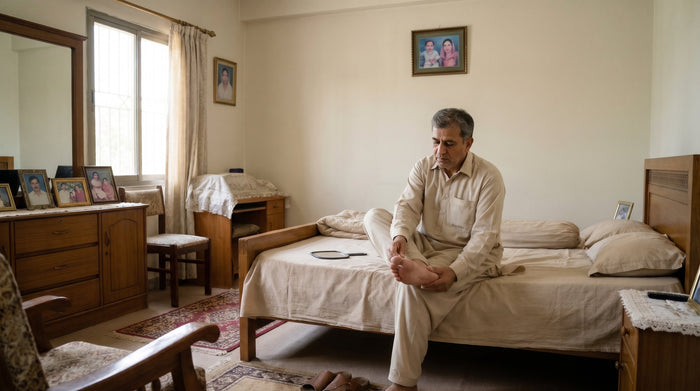
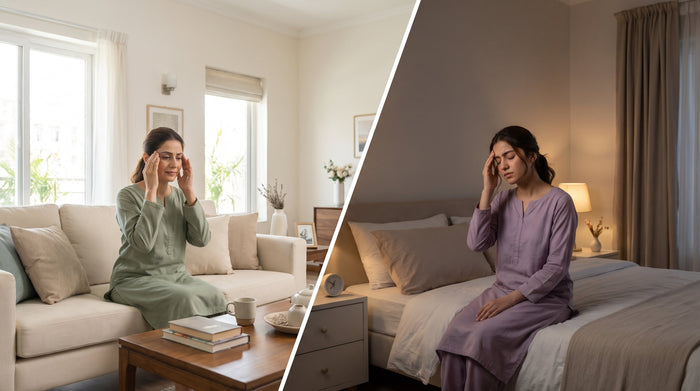
One more reel, one more message, one more episode, and suddenly it's 2 a.m. Phones in bed are one of the biggest reasons people sleep later, and worse, than they want to.
QUICK ANSWER
Screens before bed delay sleep, keep your mind active, and their light can suppress melatonin, the hormone that makes you sleepy. Notifications can also wake you during the night.1 Aim for at least one hour screen-free before bed and charge your phone outside the bedroom.1
How screens steal your sleep
- Later bedtimes: scrolling pushes sleep back, so you sleep less.1
- Light at night: device light can suppress melatonin and shift your body clock.1
- A busy brain: engaging videos, games and chats keep your mind switched on.1
- Night-time interruptions: sounds and lights from notifications can wake you, and checking the phone makes it harder to fall back asleep.1
8 ways to break the bedtime scroll
- Set a "screens off" time at least an hour before bed.1
- Charge your phone outside the bedroom.1
- Use a simple alarm clock instead of your phone.1
- Turn on night mode and lower brightness in the evening.1
- Silence notifications or use airplane mode at night.1
- Build a screen-free wind-down: wudu and prayer, a warm shower, light reading or stretching.1
- Keep a printed book by the bed.1
- If you wake at night, don't check the phone.1
FOR PARENTS
Children and teenagers are especially affected by late-night screens. Agree on family screen-off times and keep devices out of children's bedrooms at night.
MYTH Night mode makes phone use before bed harmless.
FACT Night mode reduces light, but the bigger problems, a later bedtime and a busy mind, remain.1
MYTH Watching something boring helps you fall asleep.
FACT Screens still delay sleep and can wake you later. A screen-free routine works better.1
READ OUR FULL GUIDE
Can't Switch Off at Night? Simple Sleep Habits and Calming Nutrients for Better Rest →
Our full guide to sleep habits and calming nutrients.
When to see a doctor
See a doctor if you've had trouble sleeping for months, changing your habits hasn't helped, or poor sleep makes daily life hard.2
Common questions
How many hours of sleep do adults need?
Most adults need about 7 to 9 hours a night.2
Do blue-light glasses help?
They may reduce light exposure, but they don't fix late bedtimes or a busy mind. Putting the phone away is more effective.1
THE BOTTOM LINE
Phones in bed delay sleep, wake you at night and keep your mind racing. Switch screens off an hour before bed, charge your phone outside the bedroom and build a calm, screen-free wind-down routine.
This article is for general information only and is not medical advice. Always speak to your doctor about your own health.